There’s something about light that changes how you sleep
There’s something that shifts when you walk into a well-designed room, even if you can’t immediately tell what it is. It’s not just the design or the silence, and it’s not a single element you can easily point to. It’s a deeper, almost instant feeling connected to how the space welcomes you—and above all, how light behaves within it. In many cases, that difference comes from indirect lights, a subtle approach that doesn’t seek attention but completely transforms how the body prepares to rest.
Because rest doesn’t begin when you lie down. It starts earlier, in that moment when your body begins to release tension without you consciously doing anything. It’s a quiet transition that happens while you’re still awake, moving through the room or simply slowing down. And in that process, understanding how indirect lighting affects sleep becomes less of a technical detail and more of a lived experience.
The short answer: how indirect lighting improves sleep
Indirect lighting improves sleep by reducing visual stimulation, preventing glare, and allowing the body to naturally produce melatonin, the hormone that regulates sleep. Unlike direct lighting, which hits the eyes intensely and keeps the brain alert, indirect light reflects off surfaces, creating a softer, more balanced environment.
This isn’t just perception—it’s supported by circadian rhythm research showing how light quality directly impacts the body’s ability to wind down. When lighting is bright or cool-toned at night, the brain interprets it as daytime, delaying rest. When the light is warm and indirect, the opposite happens: the body understands it’s time to slow down.
Read more: Do Nothing Crew: guilt-free vacations in Cartagena
It’s not less light, it’s better design
Many people assume better sleep comes from turning off the lights, but it actually depends on how lighting is designed. The key isn’t quantity, but quality. Temperature, direction, and intensity completely change how the body interprets a space, and that’s where indirect lighting makes a difference.
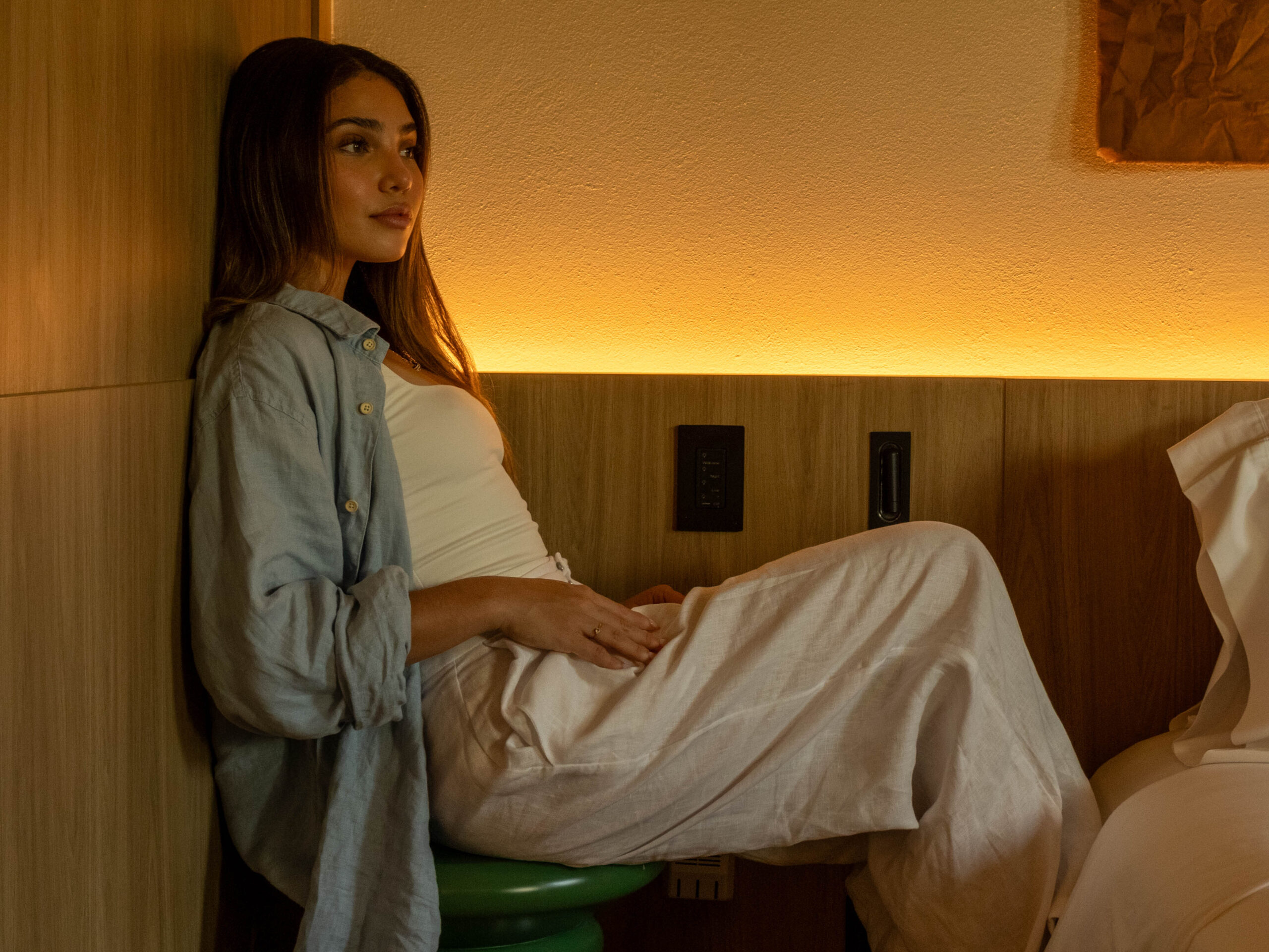
Warm light, especially in tones similar to sunset, softens the environment without darkening it, reduces visual contrast, and allows the mind to gradually disconnect from the day. When that light doesn’t hit the eyes directly but instead bounces off walls or surfaces, the effect becomes more immersive and far less intrusive.
When lighting follows the body’s rhythm
A room designed for rest doesn’t rely on a single strong overhead light, but on a more thoughtful distribution. Light is layered, reflected, and softened to avoid harsh contrasts, creating a consistent atmosphere that doesn’t interrupt or demand attention—it simply supports.
These environments don’t just look better, they feel different. Visual fatigue decreases, the body relaxes more easily, and the transition into sleep becomes smoother. It’s a subtle yet powerful shift that shows lighting is not only functional, but also emotional and physiological.
Rest is a transition, not a switch
Falling asleep is not an instant change, and that’s a key detail often overlooked. The body needs to move from an active state into a slower one, and that process depends heavily on the environment. When lighting gradually dims and maintains consistency, the nervous system understands it’s time to shift—without effort.
That’s why indirect lighting acts as a bridge between day and night. It doesn’t shut things off abruptly; it guides the body into rest naturally. The real difference happens not when you fall asleep, but in everything leading up to it.
You might be interested in: Yoga for the Alma: Why Practicing Yoga in the Morning Improves Your Wellbeing
Better sleep is also design
Some spaces look beautiful but don’t necessarily invite rest, and the difference often lies in invisible decisions. How light is distributed, how it interacts with materials, and how consistent the atmosphere feels ultimately determine whether a place helps you disconnect or keeps you stimulated.
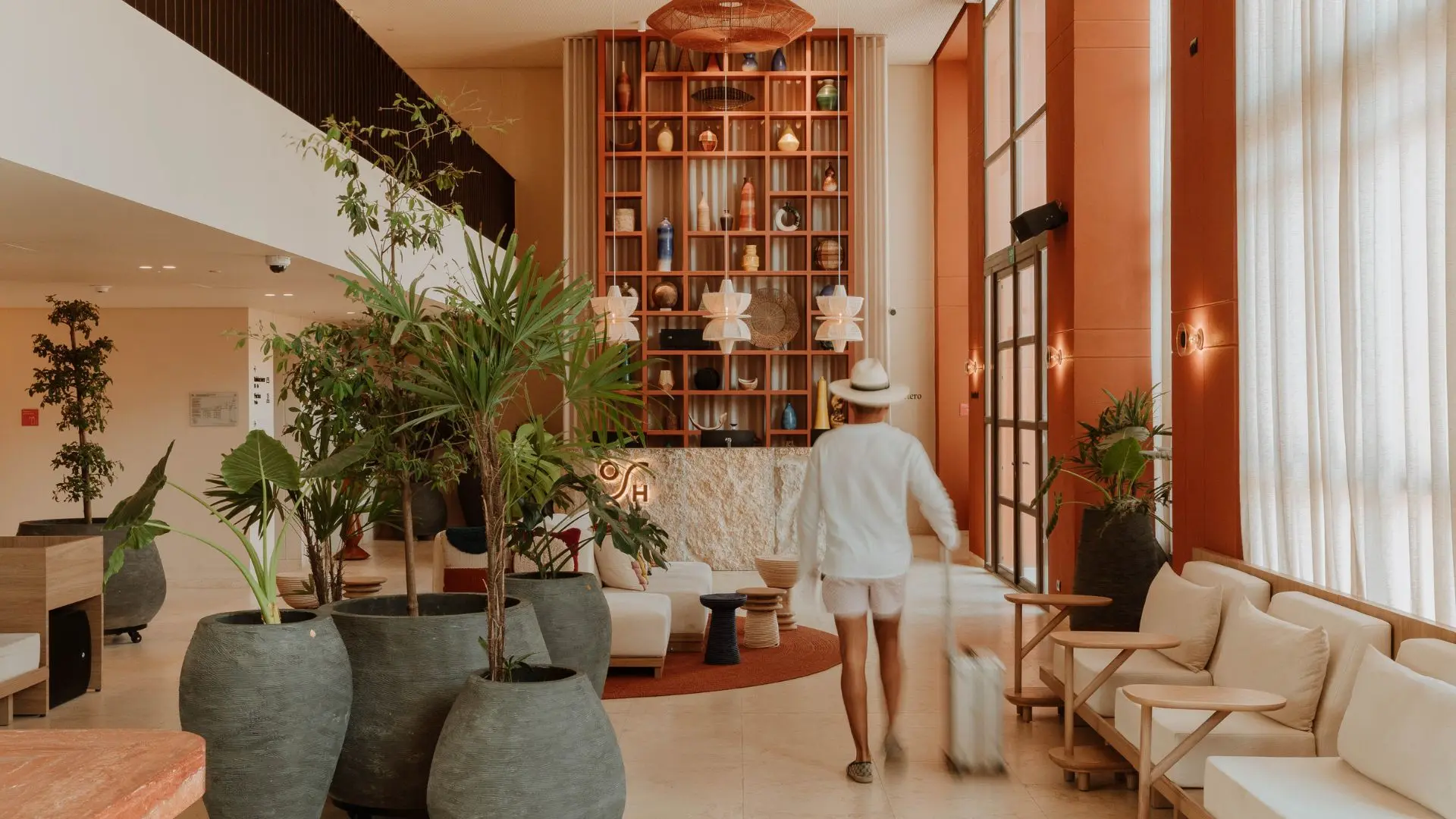
In intentionally designed environments like OSH Hotel Cartagena, lighting isn’t meant to stand out but to integrate. From the rooms to experiences like Carta Ajena or Ajeno Rooftop, light adapts to each moment of the day, supporting a natural rhythm without disrupting it.
The surprising answer
What many people don’t expect is that rest doesn’t depend only on how tired you are, but on whether the environment allows it. You can feel exhausted, but if light continues sending alert signals, your body won’t fully switch off.
That’s the surprising part: indirect lighting doesn’t just improve sleep—it directly shapes its quality, even before you close your eyes. It’s not a luxury or a purely aesthetic detail, but a real tool for better rest.
In the end, it’s not about turning off the lights—it’s about using them well. Because when lighting is designed properly, it doesn’t interrupt rest, it guides it… until it’s no longer needed.
FAQ
How does indirect lighting affect sleep?
It helps by reducing visual stimulation and promoting melatonin production, which helps the body relax and prepare for sleep.
What kind of light is best for better sleep?
Warm, dim, and indirect light is best, as it mimics the natural conditions of dusk.
Why should you avoid direct light at night?
Because it stimulates the nervous system and can delay the onset of sleep.
Does indirect lighting really make a difference?
Yes. It changes the way the body perceives its surroundings and facilitates a more natural transition to sleep.