Cartagena de Indias draws you in before you even realize it. It is the cobblestone streets, the balconies overflowing with bougainvillea, and the Caribbean warmth mixed with the scent of fried street food and sea salt. It is a city that feels straight out of a novel, yet comes alive with a distinctly modern energy after dark. Few destinations in Colombia offer this combination: remarkably preserved colonial history, a thriving food scene, and nightlife that moves to its own rhythm.
The challenge many travelers face when planning their trip is how scattered the information can be. Which neighborhood should you stay in? Is the Historic Center or Getsemaní a better choice? When should you visit to avoid the most intense heat or days of rain? We wrote this guide to help you arrive with a clear picture, rather than another list of “top spots” that tells you little of practical use. We see it every day as we welcome travelers to OSH Hotel Cartagena, in the heart of Getsemaní: La Heroica—the Heroic City—feels different when you are staying right in the middle of it, just steps from everything.
By the time you finish reading, you will know which neighborhood to stay in, what to see, when to visit, and how to get here. This guide offers an insider’s perspective, shaped by people who live in and explore the city every day.
Neighborhoods and Areas: Choose Your Base Around the Experience You Want
Cartagena’s neighborhoods are distinctly different, and where you stay can completely change your experience. It is about more than logistics: it sets the pace of your trip, determines what you see when you step outside your hotel, and shapes the kind of tourism you encounter.
Getsemaní: The Most Authentic Neighborhood, with the Best Vibe
For years, Getsemaní was the neighborhood that curious travelers stumbled upon almost by chance. Today, international media recognize it as one of the world’s most vibrant neighborhoods for its revitalization and cultural life, and that recognition is well deserved. Streets covered in large murals, restaurants with personalities of their own, and spontaneous nightlife set it apart from every other part of the city. The energy here grew naturally.
OSH Hotel Cartagena sits in the heart of Getsemaní, 350 meters from Plaza de la Trinidad and 500 meters from the Clock Tower. That means you can walk to the Historic Center in under ten minutes, without relying on taxis or ride-hailing apps for your everyday sightseeing. With a fifth-floor terrace, its own restaurant, and thoughtfully designed rooms with character, the hotel is both an ideal base and a destination in itself.
The Historic Center: For Travelers Who Want to Be Surrounded by Colonial History
Staying inside the Walled City has a charm of its own: open your window, and you are already part of the scene. Cobblestone streets, flower-filled balconies, excellent restaurants, and museums are all just steps away. It is a practical choice for a short first visit or for travelers who prioritize convenience over an authentic local atmosphere. The downside is that it is also the most expensive and busiest area. At certain times of day, it can feel more like a theme park than a living city.
Bocagrande: For Beaches and Modern Hotels
Bocagrande is Cartagena’s contemporary side: major hotel chains, direct access to the city beach, and infrastructure similar to that of many modern coastal cities. If your priority is having the sea in front of your hotel and colonial surroundings matter less to you, this area works well. Keep in mind, however, that Bocagrande’s urban beaches are not the region’s finest, traffic can be heavy, and the Historic Center is considerably farther away.
Must-See Attractions You Should Not Miss
There is enough to see here that arriving without a plan can mean missing some of the best experiences. These are the essentials, with a little context to explain why they deserve your time.
The Walled City and Its Colonial Squares
The Walled City is Cartagena’s historic heart, designated a UNESCO World Heritage Site in 1984. The classic route begins at the Clock Tower, continues through Plaza de los Coches and Plaza de Bolívar, and ends in front of the Palace of the Inquisition. Every street you walk along carries four centuries of history. Walking along the city walls at sunset is one of Cartagena’s most memorable experiences: the sun setting over the bay while the breeze makes the heat more bearable is a moment that stays with you.
San Felipe Castle, La Popa Convent, and More History to Discover
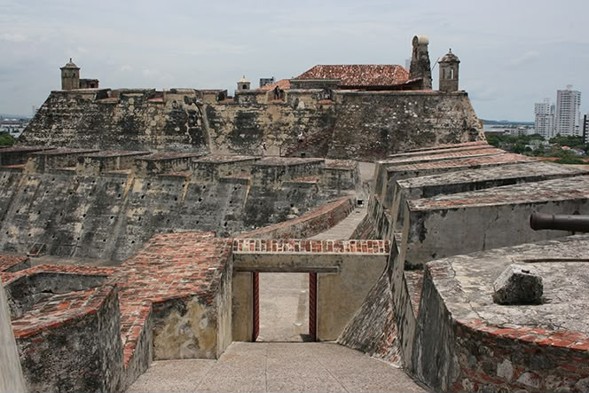
San Felipe de Barajas Castle, built by the Spanish on San Lázaro Hill, is considered one of the most important examples of colonial military architecture in the Americas. Its tunnel system and defensive design remain impressive when you explore them from within. La Popa Convent, at the city’s highest point, offers panoramic views of the bay and surrounding areas. These two landmarks work well together as a half-day outing. Start early in the morning, before the sun reaches its strongest point.
Nearby Beaches and Islands
The best beaches are outside the city. Playa Blanca, on Barú Island, offers the classic white sand and turquoise water that most people picture when they think of Cartagena. The Rosario Islands are ideal for snorkeling and a more distinctly Caribbean setting, with coral reefs and clear water. Both destinations can be reached by boat from the tourist pier, and booking your excursions in advance is worthwhile, especially during peak season or holiday weekends.
The Best Time to Visit: Seasons, Weather, and Festivals
Cartagena has a tropical climate year-round, with daytime highs around 31–32°C (88–90°F). The biggest seasonal difference is rainfall, which can significantly affect your experience depending on when you visit.
Dry Season vs. Rainy Season: What Changes in Practice
The dry season runs from December through April and is the best time for beaches, island trips, and outdoor activities without weather interruptions. Rainfall increases from May through November, with October being the wettest month. July and August bring a relative break, known as the “veranillo de San Juan,” when rainfall becomes more intermittent. If your dates are flexible, January through March offers the best combination of weather and activities.
Festivals and Events Worth Planning Ahead For
Cartagena has a busy cultural calendar throughout the year. Several events take place within a few weeks in January: the Cartagena International Music Festival, from January 4 to 12; the FAREX craft fair; and the Candelaria celebrations, including the Festival del Frito, from January 24 to February 2. The Hay Festival takes place on the last weekend of the month.
Other highlights include FICCI, the Cartagena International Film Festival, in April, and the Independence celebrations from November 1 to 14. During these periods—especially the December-to-March high season and major festivals—accommodation fills up quickly. Booking several weeks ahead is essential.
How to Get Here from Colombia’s Main Cities
Getting to Cartagena is straightforward once you know what to expect, and most travelers coming from elsewhere in Colombia arrive by air without much difficulty.
Flights from Bogotá, Medellín, and Cali
Rafael Núñez International Airport (CTG) is well connected to Colombia’s main cities. From Bogotá, there are four to six daily flights with airlines such as LATAM and Avianca, with a flight time of approximately one hour and thirty minutes. Direct flights are also available from Medellín and Cali, including some operated by JetSMART. Cartagena has some of the country’s strongest air connections, making trip planning easier.
From the Airport to the City Center: Your Options
To reach the Historic Center or Getsemaní from the airport, you have three options:
- Official taxi: Takes ten to twenty minutes and is the most direct option.
- Transcaribe T102 bus: Takes twenty to twenty-five minutes and is the most affordable option.
- Private transfer: Available around the clock, this is the most comfortable choice for first-time visitors arriving with luggage and unfamiliar with the city.
For a first visit, an official taxi or private transfer offers greater comfort and peace of mind.
Food and Experiences That Make Cartagena Unique
Cartagena offers much more than walls and fortresses. Food, music, and everyday life are essential parts of what makes a trip memorable, and Getsemaní brings them together with particular energy.
What to Eat and Where to Find It
Cartagena’s cuisine has a strong Caribbean identity: arepa de huevo, a fried corn arepa filled with egg; shrimp ceviche; loaded patacones; seafood stew; posta negra, a traditional beef dish in a dark, rich sauce; and coconut rice. In Getsemaní, traditional street-food stalls sit alongside restaurants with more sophisticated menus. For guests staying at OSH Hotel Cartagena, Carta Ajena, the hotel’s restaurant, offers plenty to enjoy: brunch, wood-fired Neapolitan pizzas, and signature cocktails, all without leaving your base.
Nightlife, Rooftop Views, and Street Art
Cartagena’s nightlife takes many forms, but Getsemaní remains its most authentic setting. Live music drifts through open windows, squares fill with people as the sun goes down, and rooftop views make every flight of stairs worthwhile. On the fifth floor of OSH Hotel Cartagena, Ajeno Rooftop offers panoramic views that guest reviews describe as among the most expansive in the neighborhood. Signature cocktails and a carefully selected soundtrack turn sunset into a moment you will want to linger over.
Practical Tips for a Smooth Trip
Once you have sorted out how to get here and what to see, the next step is understanding how to get around and how much to budget.
Safety and Getting Around the City
Cartagena is safe for tourists who take basic precautions. The Historic Center, Getsemaní, and Bocagrande are busy areas that are relatively safe during the day. At night, use authorized taxis or reliable ride-hailing apps for journeys beyond the main tourist areas. Avoid displaying valuables on the street, and travel in small groups when exploring less familiar neighborhoods. These are the same precautions you would take in any large Colombian city.
Estimated Budget and How to Make Your Money Go Further
For a three-day trip, a traveler on a tight budget can plan to spend COP 500,000–700,000 in total, including accommodation, food, and activities. A traveler with a more comfortable budget can expect to spend COP 1,200,000–1,800,000 per person. Remember that many of the city’s best experiences are completely free: walking along the walls, exploring Getsemaní’s streets, or sitting in Plaza de la Trinidad as the evening unfolds. For accommodation, comparing rates across booking channels and booking directly with the hotel can sometimes offer better prices or terms, especially during peak season.
Cartagena Is Waiting: Start Planning
Cartagena de Indias is a city you can keep coming back to. Each visit brings a new restaurant in Getsemaní, a square you had never walked through, or a sunset from the city walls that looks different depending on the hour. One thing always holds true: the city rewards travelers who arrive with curiosity.
To plan well, choose the neighborhood that suits the experience you want, make time for the Walled City and a trip to the islands or Barú, and, if possible, visit between December and April for the best weather. If you are traveling during a festival, book your accommodation early: the city fills up faster than you might expect.
If you still have questions about where to stay or what to plan for your visit, our team at OSH Hotel Cartagena can help you build an itinerary around your interests. Contact us directly, and we will be happy to guide you. The city is ready. All that is missing is you.